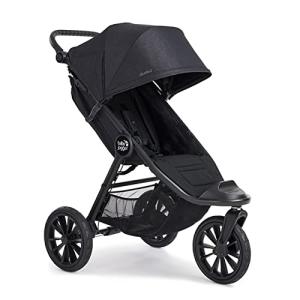
A Comprehensive Guide to Prams and Pushchairs: Choosing the Right Option for Your Little One
As new parents embark on their journey of nurturing and caring for a baby, among the first essential purchases they need to think about is a pram or pushchair. With a myriad of alternatives available in the market, it can be overwhelming to choose which one is best fit for their lifestyle and requirements. This short article supplies an in-depth look at prams and pushchairs, their differences, functions to consider, and responses to regularly asked concerns.
Prams vs. Pushchairs: Understanding the Differences
| Feature | Prams | Pushchairs |
|---|---|---|
| Orientation | Typically face outside | Often face inward, allowing parent interaction |
| Age Suitability | Suitable for newborns and babies | Created primarily for young children |
| Design | Flat, bassinet-style | Reclining seats for older kids |
| Portability | Bulkier, less portable | Typically lighter and more compact |
| Accessories | Frequently featured a carrycot | Might have a seat liner and canopies |
The Key Differences
While lots of people use the terms "pram" and "pushchair" interchangeably, they describe different products designed for particular functions.
- Prams: Prams are specifically created for newborns and babies, providing a flat, comfortable area for the baby to lie down. The bassinet-like shape is especially important for the proper advancement of a newborn's spinal column.
- Pushchairs: Pushchairs are developed for older babies and toddlers who can stay up independently. They typically have a reclining seat that enables young children to stay up easily while still being able to lie back when required.
Comprehending these distinctions is vital in making an informed purchase for your child's requirements.
Functions to Consider When Buying Prams and Pushchairs
When looking for the best pram or pushchair, it's vital to think about functions that suit both the kid and the caregiver. Here's a list of critical functions to evaluate:
Safety Features
- Five-point harness
- Reflective products for exposure
- Lockable wheels
Comfort
- Padding and assistance for the kid
- Adjustable handlebars for parent comfort
- Suspension for smoother trips
Mobility
- Weight of the pram or pushchair
- Ease of folding and unfolding
- Size when folded for storage
Storage Options
- Underseat baskets
- Parent-friendly compartments (cup holders, phone holders)
- Ability to attach additional storage
Durability
- Sturdy products that can hold up against wear and tear
- Weather-resistant fabrics for various environments
Comparing Styles: A Closer Look
| Style | Pros | Cons |
|---|---|---|
| Standard Prams | Excellent for newborns, Stylish, Good for long walks | Bulky, may not fit in smaller sized cars and trucks |
| Umbrella Pushchairs | Lightweight, Easy to fold, Portable | Less comfort, Limited functions for newborns |
| Jogging Strollers | Great for active moms and dads, Sturdy and durable | Heavier, Can be less stable for infants |
| Travel Systems | Includes safety seat, Versatile | Generally heavier than a standalone choice |
Regularly Asked Questions (FAQ)
1. At what age can I shift my baby from a pram to a pushchair?
The majority of babies can shift to a pushchair between 6 to 12 months old, depending upon their capability to sit up individually. learn more to evaluate your kid's developmental milestones before making the modification.
2. Can I utilize a pushchair for newborns?
While some pushchairs have a reclining feature ideal for infants, it is typically suggested to utilize a pram or a carrycot accessory for newborns to ensure appropriate assistance for their establishing spine.
3. How do I tidy my pram or pushchair?
A lot of prams and pushchairs come with removable, machine-washable covers. Always examine the producer's instructions for specific cleaning suggestions to ensure that you do not damage any systems or materials.
4. What is a travel system, and is it necessary?
A travel system is a set that includes a stroller and a safety seat that can be attached to the stroller for convenience. While not needed, it can be very efficient for parents who regularly transition in between automobile travel and walking.
5. How do I choose the best pram or pushchair for my way of life?
Consider your everyday activities and ecological conditions. For active parents, a running stroller might be more ideal, while city dwellers might choose a light-weight umbrella stroller that's simple to maneuver.
Choosing the ideal pram or pushchair is a substantial choice for brand-new parents. Thinking about elements like security, convenience, portability, and way of life can help direct them to the very best option. Whether a sleek pram for strolling through parks or a tough pushchair for browsing metropolitan landscapes, parents can find an alternative that suits their family's requirements.
With a clearer understanding of prams and pushchairs, parents can make an informed decision, making sure a comfy and safe trip for their kid. Invest the time to choose carefully, as this is among the necessary tools that will accompany your family on numerous adventures in the years to come.